
AEGIS Europe Responds to ENVI Vote on the Temporary Decarbonisation Fund in the context of European Commission 17 Dec. package on CBAM
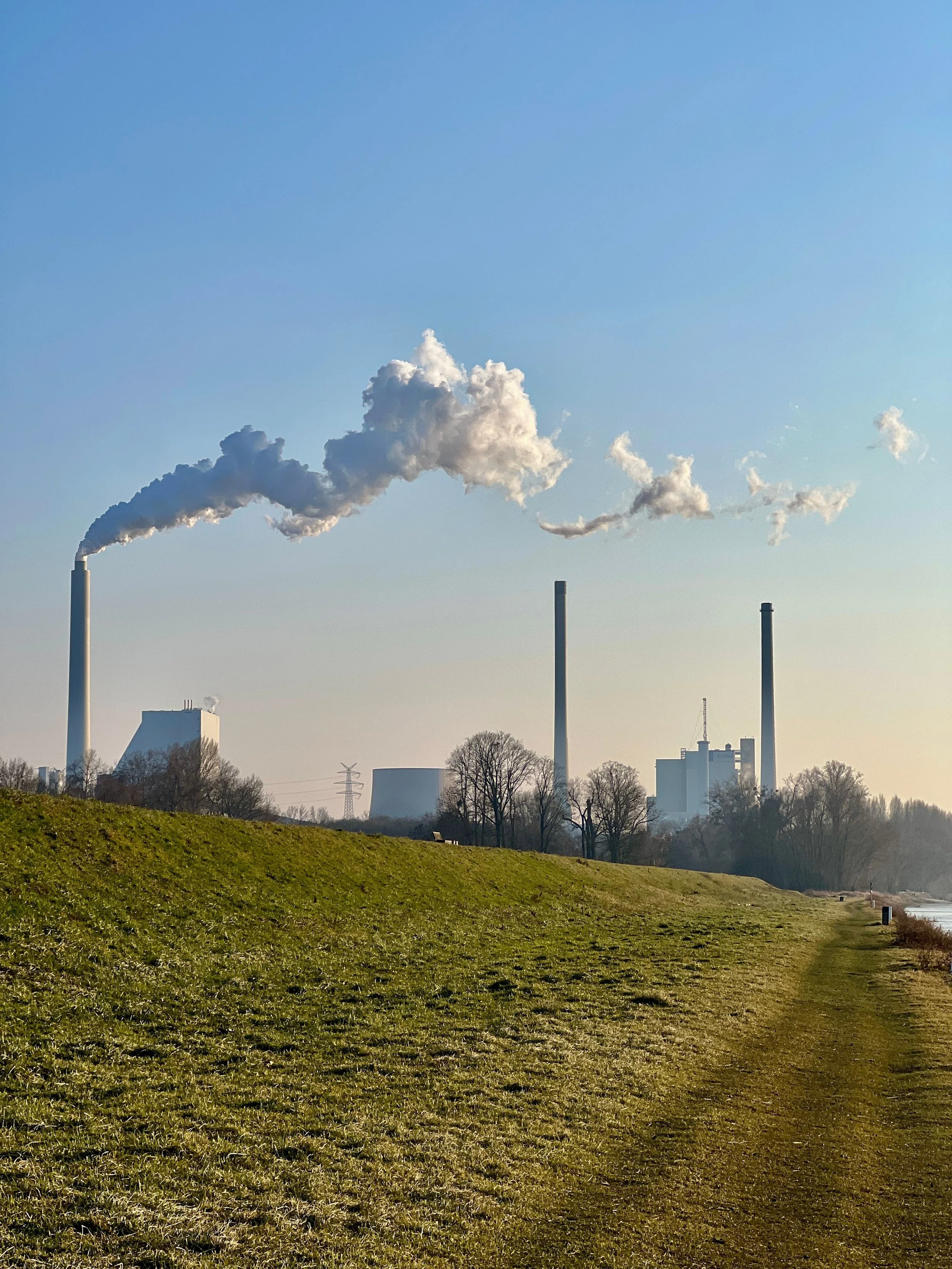
Brussels, 15 July 2026. The European Parliament's Committee on the Environment, Climate and Food Safety (ENVI) has taken an important step in shaping the future of the EU's Carbon Border Adjustment Mechanism (CBAM), adopting its position on 6 July. The committee endorsed the extension of CBAM, strengthened measures to prevent circumvention, and proposed changes to the mechanism for addressing market disruptions. In parallel, ENVI also adopted its position on the temporary decarbonisation fund (TDF).
However, AEGIS Europe wishes to express the following concerns regarding the compromise amendments adopted by the ENVI Committee on the Temporary Decarbonisation Fund:
The TDF cannot substitute a long-term structural solution for EU export sectors impacted by CBAM. Dedicated financial support should therefore be earmarked within the forthcoming EU Multiannual Financial Framework, providing long‑term certainty for EU producers, in case such a solution is eventually retained.
This long-term solution needs to be proposed urgently and compensate EU exporters for the increased ETS costs. CBAM will generate raw material cost increases for importers of CBAM covered goods and downstream operators. Such costs should also be acknowledged and compensated. Therefore, we welcome the extension of eligibility to downstream operators and certain downstream goods under the TDF. Export adjustments must be part of the CBAM design to ensure that European exports do not become uncompetitive on foreign markets. This long-term solution should reflect the free allocation phase out trajectory, maintain decarbonization incentives, and be explicitly linked to export exposure. It should be included in the ETS review proposal which is expected mid-2026. AEGIS Europe proposed a WTO-compatible solution.
A carbon leakage tool, not an investment tool: the TDF, and hence the permanent export adjustment solution, are carbon leakage tools designed to protect EU-based, energy-intensive industries, rather than an investment fund, whether for EU installations or developing countries. In addition, European producers are already subject to a series of decarbonisation conditionalities. Any provision related to adding decarbonisation conditionalities for European producers should be rejected.
It should be emphasized that China's strategy in Africa and South-East Asia is heavily driven by its need to export domestic industrial overcapacity, flooding markets with subsidized manufactured goods. Top Chinese investment and contracting destinations include Nigeria, South Africa, Algeria, Morocco, Angola, the Democratic Republic of the Congo (DRC), Egypt, Indonesia, Malaysia and Vietnam. The overcapacities/productions of those countries are directed towards Europe, affecting massively the competitiveness of European producers. Any provision related to funding countries in development or creating a tool for "international climate finance" through the TDF, should not be considered in the TDF which is a carbon leakage instrument. There are other tools and instruments for this.
Ahead of the Parliament's plenary vote and the forthcoming negotiations, AEGIS Europe will continue to engage with the European institutions to ensure that the final legislation provides effective protection against carbon leakage while safeguarding the competitiveness of European industry.
AEGIS Europe’s key messages on CBAM
•AEGIS Europe supports a CBAM that is efficient in addressing carbon leakage risks while ensuring a level playing field on both European and foreign markets
• Simplification attempts are welcome, but not at the expense of effectiveness in preventing carbon leakage. Simplification should not facilitate or lead to circumvention
• CBAM needs a WTO-compatible export adjustment solution for producers of CBAM goods to avoid carbon leakage and the replacement of EU low-carbon products with high-carbon alternatives on global markets
• Anti-circumvention rules must be strengthened to ensure the effectiveness of the measure and avoid practices such as resource shuffling or cost absorption
CBAM alone cannot solve the carbon leakage issue for all sectors, especially ETS sectors it covers with very specific value chains, products, and global trade flows. For these sectors, a stronger carbon leakage protection and additional measures are needed
***
AEGIS Europe is an industry alliance that brings together more than 30 European manufacturing associations representative of the whole value chain, from commodities down to consumer end products. Our members account for more than €500 billion in annual turnover, as well as for millions of jobs across the EU.

AEGIS Europe Letter to President von der Leyen on Trade Defence
Dear President von der Leyen,
Dear Executive Vice-Presidents of the Commission
Dear Members of the College of Commissioners,
AEGIS Europe is an industry alliance that represents more than 30 European manufacturing associations and companies across entire industrial value chains, from metals and ceramics to transportation industries. Together, our members account for more than €500 billion in annual turnover and millions of direct and indirect jobs across the European Union. European manufacturing is under extreme pressure from state-controlled and export-driven economies, which subsidise enterprises, resulting in global overcapacities flooding world markets. While striving to maintain a competitive edge, European industries in many sectors can no longer endure unfair trade practices resulting from such overseas overcapacities.
As highlighted in the Draghi Report, Europe urgently needs a stronger industrial and trade strategy capable of preserving a competitive manufacturing base and ensuring a level playing field internationally. AEGIS Europe supports the EU’s existing Trade Defence Instruments, which remain essential but must be strengthened. European industries continue to face investigations that are too slow, measures that are too weak, and instruments that are insufficiently adapted to the scale and speed of distortions that evolve, and strategies to avoid EU measures.
AEGIS Europe calls, therefore, for faster and more effective trade defence procedures, as well as the urgent allocation of additional human resources in the trade defence services of DG Trade in order to enhance the speed, effectiveness, and enforcement capacity of investigations. At the same time, AEGIS Europe calls for the urgent establishment of a new EU instrument specifically designed to address overcapacities and their disruptive consequences for European industries and value chains.
This instrument should:
be available on demand to any industrial sector affected by loss of market share in the EU and export markets due to overcapacities and other trade distortions;
give competence to the Commission to act;
allow for a full value-chain approach, hence addressing the impact of unfair practices throughout industrial ecosystems and in anticipation of circumvention or shifts in production;
as overcapacities and distortions are not limited to one country alone, the instrument must be available for all countries;
rely on publicly available information and/or market intelligence analyses provided by the industry to trigger investigations
require respondent countries to demonstrate the absence of overcapacities.
The European Union cannot remain exposed to unfair competition while other global actors continue to deploy increasingly assertive industrial and trade policies. A stronger, more responsive, and more effective EU trade defence toolbox is essential to safeguarding European industry.
Sincerely, Inès Van Lierde Renaud Batier Co-Chairs AEGIS Europe
AEGIS Europe and Plastics Recyclers Europe call for swift and effective actions to secure the future of EU industry
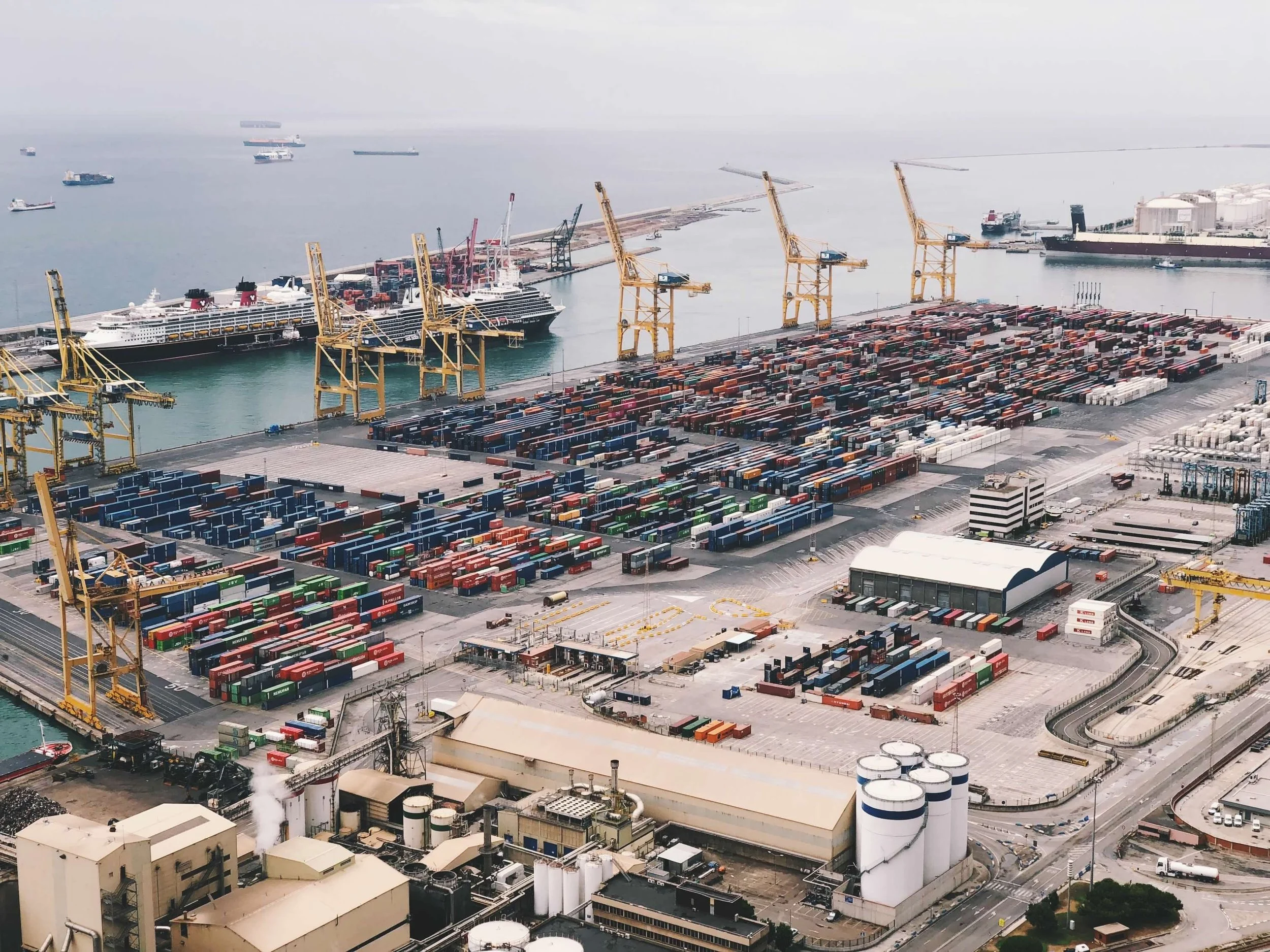
Brussels, 29 October 2025. As the European Union faces growing global competition, European producers already face several trade challenges, including high production costs (especially energy), global overcapacities, and aggressive third-country industrial policies.
Market performance indicators reveal a decline in competitiveness in the last ten years. This is evident in reduced production across sectors such as steel, silicon, ferroalloys, aluminium, and paper & board. Additionally, exports have dropped significantly in sectors like finished steel, man made fibres, and paper & board. Increased energy prices also play a role, but the real problem is the dumping of excess capacities on the open EU market and the need for new approaches to deal with industrial subsidies in addressing these overcapacities.
We are losing manufacturing jobs at an alarming rate. In AEGIS Europe sectors alone, approximately 34,000 direct jobs have been lost compared to the pre-COVID period. Considering that each direct job loss triggers 3-4 indirect job losses, this amounts to around 100,000 total jobs lost.
Since the 2008-2009 financial crisis, the situation has worsened, with 2.5 million industrial jobs disappearing and numerous plants across Europe shutting down. A wave of closures has been rolling out across the EU, mainly in the automotive sector and energy-intensive industries, but also in green tech sectors such as batteries. These closures are occurring throughout the EU.
Against this backdrop, and a year after the publication of the Draghi Report, AEGIS Europe, together with Plastics Recyclers Europe, calls on the EU to:
1. Strengthen and expedite the use of Trade Defence Instruments (TDIs) to timely protect EU industry from unfair foreign practices:
Injury Margin: WTO law does not provide for injury margins; thus, the EU has full discretion in determining the calculation method. The current methodology does not account for the volumes of imports or potential volumes. Therefore, factors such as the actual market share of imports and potential market share (due to overcapacities) can be legally used to increase the injury margin.
Dumping Margin: The normal value in the country of origin is compared to the export price to the EU, subject to a fair comparison. If the export price to the EU reflects a higher price due to social and environmental costs borne in the EU, an adjustment should be made to increase the margin by subtracting these costs from the export price. Both changes do not require an amendment to the basic Anti-Dumping Regulation.
Small and medium-sized enterprises (SMEs), often the most harmed by unfair trade, are effectively excluded from investigations due to the heavy data-gathering burden. While DG TRADE has set up an SME Helpdesk, it must be empowered to support enterprises in collecting data and completing injury questionnaires. Legally, injury evaluations for SMEs do not have to follow the same standards as those for large enterprises.
Address energy subsidies: Energy has a big share in the cost of production of key industries in the Union. While EU industries have been affected by an increase of energy costs, notably due to Russian’s invasion of Ukraine, third countries which have subsidised energy have been able to unfairly take market shares from EU industries. Consideration must be given to taking action, both in the WTO and in domestic Anti-Subsidy actions, to counter these massive subsidies which can be considered Specific in that they apply to fossil fuels only.
2. Upgrade the toolbox of EU industries by optimizing old instruments or designing new ones, such as an overcapacities instrument:
We call for an instrument that: i) must not be limited to the steel sector; ii) is available independent of the Safeguard instrument. Iii) can be triggered by the EU industry, to avoid political interferences. The instrument must allow the imposition of punitive tariffs, or any equivalent measure, at the border, on goods sourced in third countries which have given support directly or indirectly to the rise of economically irrational overcapacities.
3. The Foreign Subsidies Regulation represents an important trade autonomous tool to protect the European Industry’s competitiveness and ensure a level playing field on the Single Market. In recent years, there has been an increasing influx of subsidised bidders from State-owned economic operators from third countries: this unfair situation can lead to a loss of market share and deindustrialisation of the EU, as well as having negative effects on competition in the Single Market. Ahead of the publication of the EC guidelines in 2026, and the deadline for the regulation’s evaluation, we call for key improvements such as:
Thresholds: The threshold of EUR 250 million for public procurement is high and fails to capture many important projects, for example in the construction or rail supply industries.
Withdrawing bidders: It should not be permitted, in case of recurrent suspicions of unduly advantageous tenders, that bidders withdrawing from a procedure to avoid redressive measures can again bid in another procedure unless they have proven that they do not benefit from distortive subsidies.
Nature of bidders: The shareholders’ structure of bidders should be checked and go beyond a mere declaration, in order to avoid participation from State-owned enterprises in bids.
Reduction of the administrative burden for European companies which are equally concerned by the reporting obligations stemming from the Regulation.
AEGIS Europe Position on the European Commission’s proposal for CBAM simplification
Brussels, 8 May 2025. On February 26th, the European Commission adopted the Omnibus package, a series of proposals to simplify EU rules and boost competitiveness in several legislative fields, among which the Carbon Border Adjustment Mechanism (CBAM). Further to that, the European Commission announced a comprehensive CBAM review for Q3 2025, assessing the feasibility of extending CBAM scope to other EU ETS sectors at risk of carbon leakage, to downstream sectors and to indirect emissions, and to evaluate support for exporters. The steel and metals action plan (March 19) announced that a communication on options for an export adjustment might already be published by the EC in Q2 2025. Another interesting announcement concerns the release of an anti-circumvention strategy in Q4 2025 together with the legislative proposal on the extension of the scope of CBAM.
We welcome the European Commission’s commitment to simplify the CBAM to foster fair trade. While simplification is essential and a step in the right direction, allowing to significantly reduce the administrative burden for declarants – especially SMEs, AEGIS Europe members agree on the ultimate importance of finding a balance between simplification, accuracy and effectiveness of the mechanism in preventing carbon leakage. Moreover, simplification should not facilitate or lead to circumvention, and any effort in this sense should be subject to a comprehensive evaluation. A thorough consultation of the industry, including both CBAM sectors and sectors which might be covered by CBAM, should be conducted.
AEGIS Europe would like to express its position on some of the key proposals outlined in the Omnibus package on CBAM simplification:
Exemption threshold for small importers at 50 tonnes of CBAM goods per year. This proposal would allow to exempt around 90% of importers from CBAM obligations, while keeping 99% of embedded emissions in the scope, thus reducing administrative burden and maintaining the environmental objective of CBAM. However, as noted above, effective enforcement, for example through establishing robust and comprehensive risk assessment mechanisms, is necessary to prevent circumvention, as economic operators could try and avoid CBAM obligations by artificially importing through multiple entities as subsidiaries, falling below the threshold, or by splitting EORI numbers. Furthermore, the same logic of simplification applied here to importers under the CBAM should apply to EU producing small emitters under the EU ETS (Art. 27 of the ETS Directive) by increasing from 25Kt to 50KtCO2/year the threshold below which EU producers can opt out and be subject to national equivalent measures, thereby decreasing the administrative burden without lowering the decarbonisation ambition and efforts of EU producers.
Simplification for EU precursors is also welcomed. As AEGIS Europe stated on other occasions, it is important to avoid double reporting for EU ETS installations in order to reduce the administrative burden. However, for legal coherence, the sentiment expressed in Recital (14)1 which creates a derogation for reporting EU-produced precursors should be materialised in an Article. The European Commission should update its existing guidance document to avoid double reporting already during the transitional period.
Amendment of art. 26 of the CBAM regulation with the inclusion of a paragraph 1(a) stating that competent authorities can, under certain conditions, decrease the amount of the penalty imposed for the failure to surrender a given number of CBAM certificates. AEGIS Europe believes that the proposal creates an uneven playing field and legal uncertainty and inconsistencies across Member States, as the derogation is not predicted under EU ETS. This could open the door for non compliance and failing to follow the conditions set out in art. 16(1) of the EU ETS directive, stating that penalties should be “effective, proportionate and dissuasive”. Finally, CBAM penalties should always be equivalent to ETS penalties.
Entry into force of CBAM financial obligations in 2027. The kicking in of financial obligations should be maintained in 2026, as its delay undermines the effectiveness of the tool because goods enter the EU market in 2026 without any certainty that declarants will be able to fulfil the surrendering obligation in late 2027.
Default values for countries where there is not enough available data. The Commission’s proposal suggests using an average of the ten high emitting countries to calculate default values for countries where there is not enough reliable data. Using such a wide sample could result in default values lower than the actual emissions of the country, thus failing to encourage reporting of actual emissions. We recommend the use of a smaller sample, such as the top three-highest emission exporting countries where there is enough reliable data.
Overall, the Omnibus proposal seems to go in the right direction, although there are still further steps that can be taken to strengthen CBAM effectiveness and prevent circumvention while simplifying the system:
Foreign operators should be able and strongly encouraged to provide their emission data directly through a submission in the CBAM registry. This would enhance the quality of the data as the same operators would be subject to a third-party verifier scrutiny and to the verification of the EU CBAM Authorities. If this cannot be guaranteed, CBAM declarants should use default values. This would allow the simplification of the reporting system of emission data by CBAM declarants, as they would be able to refer to the submissions made by the foreign installation and tie it to the specific imports they have made.
The same level of transparency of the ETS should apply to CBAM: the information in the CBAM Registry will be confidential, while the EU ETS Registry Regulation provides public access to most of the relevant information included in the registry.
Background
AEGIS Europe supports a CBAM that is efficient in addressing carbon leakage risks while ensuring a level playing field for European and foreign producers. To achieve these goals, we believe it is imperative to assess CBAM effectiveness before any extension of its scope to other goods: this assessment should have as a departing point a consultation of the industry. To do so, it is important to define the assessment criteria which will be used and to conduct a prior, thorough impact assessment by consulting the industries concerned. Moreover, for some ETS sectors with very specific value chains, products, and global trade flows, a CBAM cannot effectively address carbon leakage and reduce emissions. For these sectors a stronger carbon leakage protection is needed.
Secondly, anti-circumvention rules must be strengthened to ensure the effectiveness of the measure and avoid practices such as resource shuffling which allows the exporting third country producers to only export to the EU products with lower carbon footprint while deviating more carbon-intensive products to other markets, or cost absorption, where producers could absorb partially or totally the cost of the CBAM by reducing the price of the products at the EU border and/or by spreading the levy across his entire production. The risk of circumvention must be monitored at customs level, and the authorisation process for CBAM declarants should ensure that they are sufficiently skilled to detect this. Effective enforcement of the new proposed exemption threshold for small importers at 50 tonnes of CBAM goods per year as introduced by the Omnibus package is necessary to prevent circumvention, as economic operators could try to avoid CBAM obligations by artificially importing through multiple entities falling below the threshold.
Finally, AEGIS Europe has been advocating for the adoption of an export adjustment for several years: CBAM needs a WTO-compatible export solution for CBAM sectors to avoid carbon leakage and the replacement of EU low-carbon products with high-carbon alternatives on global markets. European producers already face several challenges in export market, including high production costs (especially energy costs), global overcapacities, and aggressive industrial and trade policies by third-country competitors. An ERCST report stressed that failing to adequately address export issue could lead to a diminished competitiveness, suboptimal capacity utilization, reduced profitability, and eventual plant closures, further exacerbating the financial pressure within the sectors concerned and impacting substantial investment decisions in the near future. We are pleased to see that the need to support EU exporters is gaining increasing prominence in the European Commission’s legislative agenda and industrial discussions, and we eagerly wait for the presentation of the EC’s proposals to solve the exports loophole in CBAM coming in Q2 2025.
***
AEGIS Europe is an industry alliance that brings together more than 30 European manufacturing associations representative of the whole value chain, from commodities down to consumer end products. Our Members account for more than €500 billion in annual turnover, as well as for millions of jobs across the EU.
AEGIS Europe reacts on the ERCST Report “Solutions for exports of EU CBAM-covered goods”
AEGIS Europe reacts on the ERCST Report “Solutions for exports of EU CBAM-covered goods”and asks for an effective export solution, strengthened anti-circumvention measures and thorough industry consultation
Bruxelles, 8 May 2025. AEGIS Europe welcomes the recent publication of the ERCST Report “Solutions for exports of EU CBAM-covered goods” on March 25th. The report provides an in-depth analysis of the main proposals to address exports related carbon leakage that were advanced over the years, and we are glad that AEGIS Europe’s legal study for a WTO-compatible export adjustment has been included in the analysis.
AEGIS Europe has been advocating for the adoption of an export adjustment for several years: CBAM needs a WTO-compatible export solution for CBAM sectors to avoid carbon leakage and the replacement of EU low-carbon products with high-carbon alternatives on global markets, in a context where European producers already face several challenges in the export market, including high production costs (especially energy costs), global overcapacities, and aggressive industrial and trade policies by third-country competitors.
Furthermore, anti-circumvention rules must be strengthened to ensure the effectiveness of the measure and avoid practices such as resource shuffling which allows the exporting to the EU only products with lower carbon footprint while deviating other products to other markets, or cost absorption, where producers could absorb partially or totally the cost of the CBAM by reducing the price of the products at the EU border and/or by spreading the levy across his entire production. The risk of circumvention must be monitored at customs level, and the authorisation process for CBAM declarants should ensure that they are sufficiently skilled to detect this. Effective enforcement of the new exemption threshold for small importers at 50 tonnes of CBAM goods per year as introduced by the Omnibus package is necessary to prevent circumvention, as economic operators could try and avoid CBAM obligations by artificially importing through multiple entities falling below the threshold.
AEGIS Europe supports a CBAM that is efficient in addressing carbon leakage risks while ensuring a level playing field on both European and foreign. To achieve these goals, we believe it is imperative to assess CBAM effectiveness before any extension of its scope to downstream products: this assessment should have as a departing point a consultation of the industry. To do so, it is important to define the assessment criteria which will be used and to conduct a prior thorough impact assessment by consulting the industries concerned. Moreover, for some ETS sectors with very specific value chains, products, and global trade flows, a CBAM cannot effectively address carbon leakage and reduce emissions. For these sectors a stronger carbon leakage protection is needed.
Finally, AEGIS Europe members agree on the ultimate importance of finding a balance between simplification, accuracy and effectiveness of the mechanism in preventing carbon leakage. Moreover, simplification should not facilitate or lead to circumvention, and any effort in this sense should be subject to a comprehensive evaluation. A thorough consultation of the industry, including both CBAM sectors and sectors which might be covered by CBAM, should be conducted, keeping in mind that CBAM alone cannot solve the carbon leakage issue for all sectors, and further measures are needed to achieve decarbonisation.
AEGIS Europe is an industry alliance that brings together more than 25 European manufacturing associations representative of the whole value chain, from commodities down to consumer end products. Our Members account for more than €500 billion in annual turnover, as well as for millions of jobs across the EU.
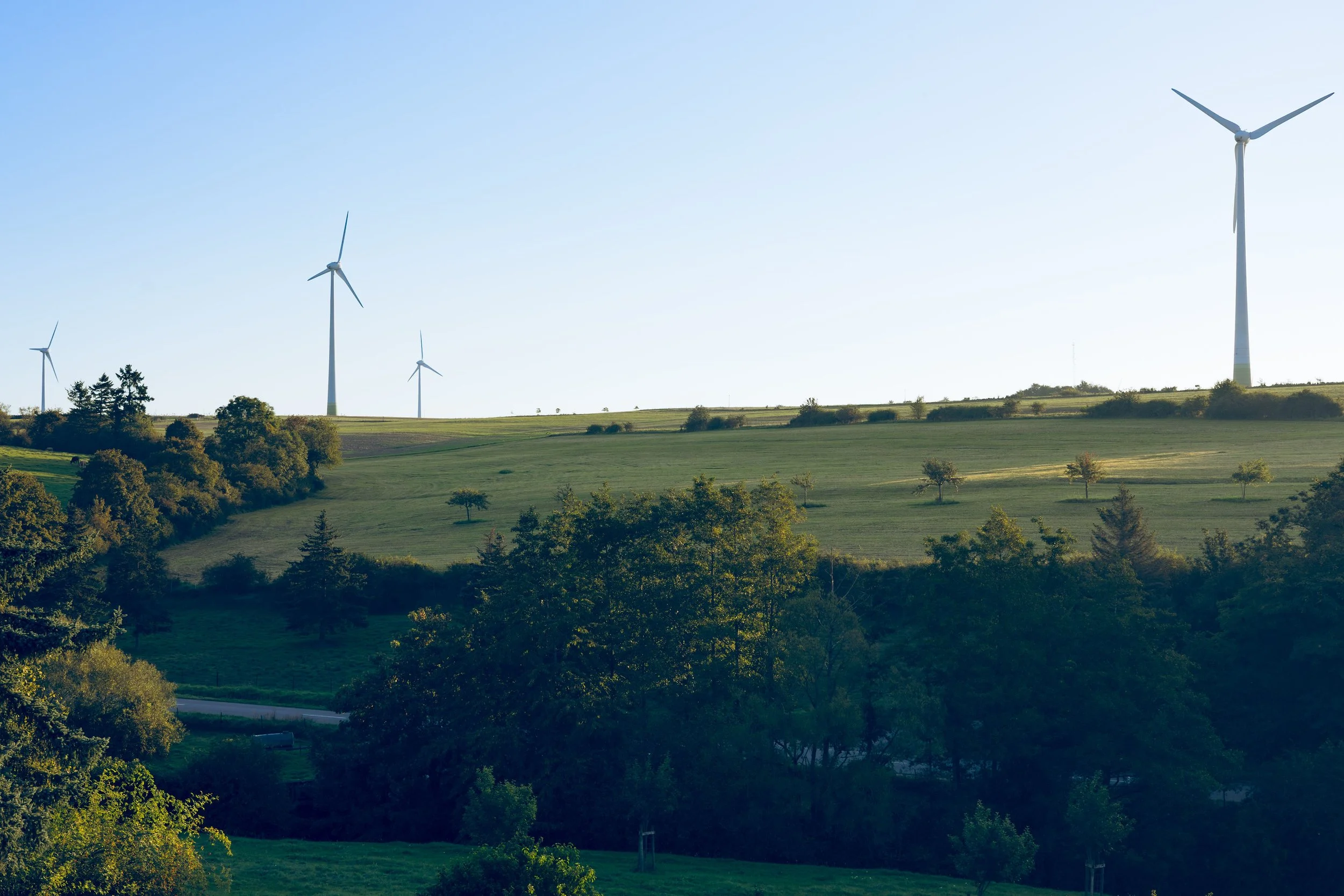
AEGIS Europe welcomes WindEurope as new member of the Alliance
AEGIS Europe welcomes WindEurope as new member of the Alliance (PDF)
Brussels, 21 May 2024 – AEGIS Europe, representing over 20 European manufacturing associations and companies across the whole value chain, is extremely pleased to announce that WindEurope, the European Wind Energy Association, has joined the Alliance. “This collaboration is the fruitful outcome of the work carried out by AEGIS Europe and will strengthen our collective efforts in addressing common challenges faced by European industries”, commented Inès Van Lierde and Renaud Batier, co-chairs of AEGIS Europe.
AEGIS Europe looks forward to the valuable contributions that WindEurope will bring to our Alliance, fostering our collective efforts to restore a level-playing field and maintain fair international competition. “By becoming members of AEGIS Europe, we will contribute our knowledge, insights and resources to support the advancement of our shared goals”, said Giles Dickson, CEO of WindEurope. “Last year, the European Commission launched the Wind Power Package to strengthen Europe’s wind industry. 26 Governments and more than 300 companies then signed the European Wind Charter, committing to implement the Package. The Package and Charter are clear that the expansion of wind energy in Europe should be made in Europe. Joining AEGIS Europe will help us make further progress towards that goal”, he concluded. Together, AEGIS Europe and WindEurope are committed to promoting a competitive and sustainable European industrial landscape and look forward to leveraging our combined expertise and resources to drive positive changes and secure growth and prosperity for our industries and economies.