
AEGIS Europe Responds to ENVI Vote on the Temporary Decarbonisation Fund in the context of European Commission 17 Dec. package on CBAM
Brussels, 15 July 2026. The European Parliament's Committee on the Environment, Climate and Food Safety (ENVI) has taken an important step in shaping the future of the EU's Carbon Border Adjustment Mechanism (CBAM), adopting its position on 6 July. The committee endorsed the extension of CBAM, strengthened measures to prevent circumvention, and proposed changes to the mechanism for addressing market disruptions. In parallel, ENVI also adopted its position on the temporary decarbonisation fund (TDF).
However, AEGIS Europe wishes to express the following concerns regarding the compromise amendments adopted by the ENVI Committee on the Temporary Decarbonisation Fund:
The TDF cannot substitute a long-term structural solution for EU export sectors impacted by CBAM. Dedicated financial support should therefore be earmarked within the forthcoming EU Multiannual Financial Framework, providing long‑term certainty for EU producers, in case such a solution is eventually retained.
This long-term solution needs to be proposed urgently and compensate EU exporters for the increased ETS costs. CBAM will generate raw material cost increases for importers of CBAM covered goods and downstream operators. Such costs should also be acknowledged and compensated. Therefore, we welcome the extension of eligibility to downstream operators and certain downstream goods under the TDF. Export adjustments must be part of the CBAM design to ensure that European exports do not become uncompetitive on foreign markets. This long-term solution should reflect the free allocation phase out trajectory, maintain decarbonization incentives, and be explicitly linked to export exposure. It should be included in the ETS review proposal which is expected mid-2026. AEGIS Europe proposed a WTO-compatible solution.
A carbon leakage tool, not an investment tool: the TDF, and hence the permanent export adjustment solution, are carbon leakage tools designed to protect EU-based, energy-intensive industries, rather than an investment fund, whether for EU installations or developing countries. In addition, European producers are already subject to a series of decarbonisation conditionalities. Any provision related to adding decarbonisation conditionalities for European producers should be rejected.
It should be emphasized that China's strategy in Africa and South-East Asia is heavily driven by its need to export domestic industrial overcapacity, flooding markets with subsidized manufactured goods. Top Chinese investment and contracting destinations include Nigeria, South Africa, Algeria, Morocco, Angola, the Democratic Republic of the Congo (DRC), Egypt, Indonesia, Malaysia and Vietnam. The overcapacities/productions of those countries are directed towards Europe, affecting massively the competitiveness of European producers. Any provision related to funding countries in development or creating a tool for "international climate finance" through the TDF, should not be considered in the TDF which is a carbon leakage instrument. There are other tools and instruments for this.
Ahead of the Parliament's plenary vote and the forthcoming negotiations, AEGIS Europe will continue to engage with the European institutions to ensure that the final legislation provides effective protection against carbon leakage while safeguarding the competitiveness of European industry.
AEGIS Europe’s key messages on CBAM
•AEGIS Europe supports a CBAM that is efficient in addressing carbon leakage risks while ensuring a level playing field on both European and foreign markets
• Simplification attempts are welcome, but not at the expense of effectiveness in preventing carbon leakage. Simplification should not facilitate or lead to circumvention
• CBAM needs a WTO-compatible export adjustment solution for producers of CBAM goods to avoid carbon leakage and the replacement of EU low-carbon products with high-carbon alternatives on global markets
• Anti-circumvention rules must be strengthened to ensure the effectiveness of the measure and avoid practices such as resource shuffling or cost absorption
CBAM alone cannot solve the carbon leakage issue for all sectors, especially ETS sectors it covers with very specific value chains, products, and global trade flows. For these sectors, a stronger carbon leakage protection and additional measures are needed
***
AEGIS Europe is an industry alliance that brings together more than 30 European manufacturing associations representative of the whole value chain, from commodities down to consumer end products. Our members account for more than €500 billion in annual turnover, as well as for millions of jobs across the EU.

AEGIS Europe Letter to President von der Leyen on Trade Defence
Dear President von der Leyen,
Dear Executive Vice-Presidents of the Commission
Dear Members of the College of Commissioners,
AEGIS Europe is an industry alliance that represents more than 30 European manufacturing associations and companies across entire industrial value chains, from metals and ceramics to transportation industries. Together, our members account for more than €500 billion in annual turnover and millions of direct and indirect jobs across the European Union. European manufacturing is under extreme pressure from state-controlled and export-driven economies, which subsidise enterprises, resulting in global overcapacities flooding world markets. While striving to maintain a competitive edge, European industries in many sectors can no longer endure unfair trade practices resulting from such overseas overcapacities.
As highlighted in the Draghi Report, Europe urgently needs a stronger industrial and trade strategy capable of preserving a competitive manufacturing base and ensuring a level playing field internationally. AEGIS Europe supports the EU’s existing Trade Defence Instruments, which remain essential but must be strengthened. European industries continue to face investigations that are too slow, measures that are too weak, and instruments that are insufficiently adapted to the scale and speed of distortions that evolve, and strategies to avoid EU measures.
AEGIS Europe calls, therefore, for faster and more effective trade defence procedures, as well as the urgent allocation of additional human resources in the trade defence services of DG Trade in order to enhance the speed, effectiveness, and enforcement capacity of investigations. At the same time, AEGIS Europe calls for the urgent establishment of a new EU instrument specifically designed to address overcapacities and their disruptive consequences for European industries and value chains.
This instrument should:
be available on demand to any industrial sector affected by loss of market share in the EU and export markets due to overcapacities and other trade distortions;
give competence to the Commission to act;
allow for a full value-chain approach, hence addressing the impact of unfair practices throughout industrial ecosystems and in anticipation of circumvention or shifts in production;
as overcapacities and distortions are not limited to one country alone, the instrument must be available for all countries;
rely on publicly available information and/or market intelligence analyses provided by the industry to trigger investigations
require respondent countries to demonstrate the absence of overcapacities.
The European Union cannot remain exposed to unfair competition while other global actors continue to deploy increasingly assertive industrial and trade policies. A stronger, more responsive, and more effective EU trade defence toolbox is essential to safeguarding European industry.
Sincerely, Inès Van Lierde Renaud Batier Co-Chairs AEGIS Europe
The EU needs action on Trade Defence now
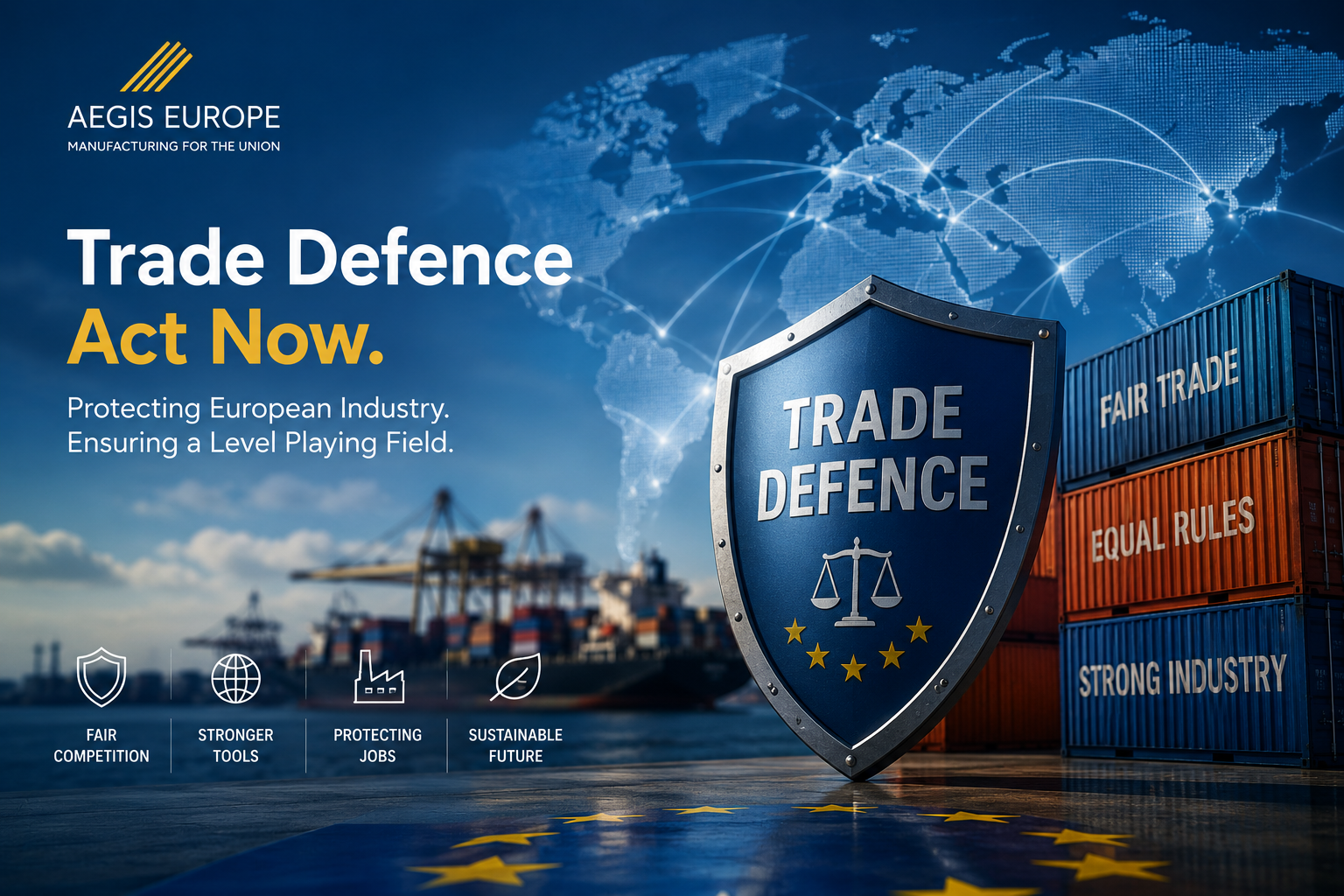
AEGIS Europe warns that European manufacturing is facing growing pressure from unfair trade practices, global overcapacities, and imports that fail to respect EU environmental and social standards. The paper calls for stronger and faster EU trade defence measures, including reinforced anti-circumvention rules, broader investigations across entire value chains, and new tools to address market distortions and industrial overcapacity. It provides recommendations based on changes to the current practice and changes to the law.
The EU needs action on Trade Defence now
European manufacturing is under extreme pressure from unfairly traded imports: state-controlled and export-driven economies, overcapacities in many sectors and in many countries, as well as imports that disregard EU environmental and social standards, create an uneven playing field, leaving European industries at a disadvantage.
The Draghi Report has highlighted the urgent need for a resilient and competitive European industry that aligns with Europe’s strategic interests1. The Report highlighted the gaps in the EU’s current trade defence mechanisms that need to be addressed. We need flesh on the Draghi bones.
In recent strategy papers, the European Commission seems to have recognised the need for a more effective trade defence toolbox, but it has not backed up these easy statements with effective action. In the meantime, world class, efficient and innovative EU industries are dying. AEGIS Europe has been calling for more action for many years.
In this paper we set out some of the actions needed.
Changes to current practice
Allocation of additional human resources: There must be the immediate allocation of additional human resources to DG Trade. This will allow for more investigations into unfair practices, more time to understand and address changes in state-run trade strategies, more creative use of current instruments and to make proposals for legislative change.
A value chain approach: Investigations encompassing a whole supply chain: The Commission must initiate one or more simultaneous investigations covering the full value chain to address similar unfair trading practices at all levels of a value chain.
Duties on downstream products incorporating upstream products: Duties on incorporated products: the Commission must impose, as they do in the USA, measures not only on the upstream product itself but also on that part of the downstream product that is made up of the upstream product. This can be done by drafting the NOI sufficiently broadly.
Social and Environmental Costs in dumping calculations: Social and environmental costs are factored, by law, into the injury calculations. To avoid an unfair comparison between the dumping and the injury, they must be factored into the calculation of the dumping margin.
Better SMEs Support: The Commission must establish an office, not only to explain TDI but to actually assist sectors, dominated by Small and Medium Enterprises, in the filing of complaints and in the completion of the injury questionnaire.
Better monitoring of trade patterns: The Commission must improve the trade monitoring system with the obligation to advise industry and build cooperation with industry on ex-officio investigations.
More robust use of circumvention rules to address new forms of circumvention practices: Third-country exporting producers hit by trade defence measures, or the imposition of unilateral tariffs, are becoming more and more skilled and innovative to immediately circumvent the duties in place. Boosted by domestic subsidies, third-country exporting producers subject to duties, are engaging in “duty offshoring” practices, which consist in establishing a production presence, whether partial (through finishing operations) or total (through production) outside their home country (in the EU or outside the EU), in order to bypass a duty (tariff, anti dumping duty).
Duty offshoring practice is a practice for which there is insufficient due cause or economic justification other than the imposition of the duty, and for which there is evidence of dumping and injury and evidence that the remedial effects of the duty are being undermined in terms of the prices and/or quantities.
Third-country exporting producers subject to duties are also circumventing duties by adding an additional processing step to their products initially subject to duties to avoid the measures and export downstream products. This results in displacing the issue of unfair trading practices from Chinese exporters in the value chain, from upstream producers to downstream producers, equally affected by these systemic unfair trading practices.
When there is a change in the pattern of trade which consists in an increase of imports of a product immediately derived from products subject to anti-dumping duties and belonging to the same value chain, the Commission should qualify this practice as a new form of circumvention practices falling under Article 13(1) of the Basic Anti-Dumping Regulation.
More extensive use of particular market situation: Increasingly, an input from one country (often China) is exported at dumped or distorted prices into a second country (often another Asian country), which then exports a finished product to the EU at injurious prices. This is sometimes referred to as “input dumping”. The Commission should be more robust in finding a particular market situation (to adjust the distorted input from the first country) in such scenarios to enable the EU industry to have an effective remedy.
Changes to the law
Improvement of the safeguard instrument: Reform the voting system in safeguards procedures: the current rule of a qualified majority voting only adds another obstacle to a procedure which already asks the concerned industries to meet very strict conditions. As done for the anti-dumping instrument, the voting rule should change in blocking a proposal from the Commission only if a qualified majority votes against the Commission’s proposal. Allowing the EU industry to file a safeguard complaint would also streamline the procedures – rather than having to provide the data via Member States.
Removal of the Lesser Duty Rule: In cases where the dumping margin is higher than the injury margin, and only in these cases, the simplest and most straightforward solution is to remove the need to make a comparison between the dumping margin and the injury margin. In other words, to remove the lesser duty rule. The lesser duty rule is not required by WTO law. It is a WTO + provision of EU law. There is nothing to prevent the Union from removing this requirement. The removal of the lesser duty rule must become the priority for EU policy makers, therefore, AEGIS Europe supports the reference to this important change in the Steel and Metals Action Plan. The lesser duty rule should be automatically not applied where there is evidence on the file of significant overcapacities in the countries of origin of the dumping.
A new instrument to deal with overcapacities: The Commission is proposing an overcapacities instrument for steel. The EU needs a similar instrument for other sectors: The instrument must allow for the imposition of punitive tariffs, or any equivalent measure, at the border, on goods sourced in third countries which have given support directly or indirectly to the rise of economically irrational overcapacities.
This instrument: i) must be available independent of the Safeguard instrument; ii) must result in measures made effective at the EU border; and iii) must be triggered by the EU industry (and not a Member State) to give the initiative to industry.
AEGIS Europe endorses Antwerp Declaration Community, calls for more man-power for trade defence, and for emergency industrial measures
Download the publication (PDF)
AEGIS Europe endorses Antwerp Declaration Community, calls for more man-power for trade defence, and for emergency industrial measures
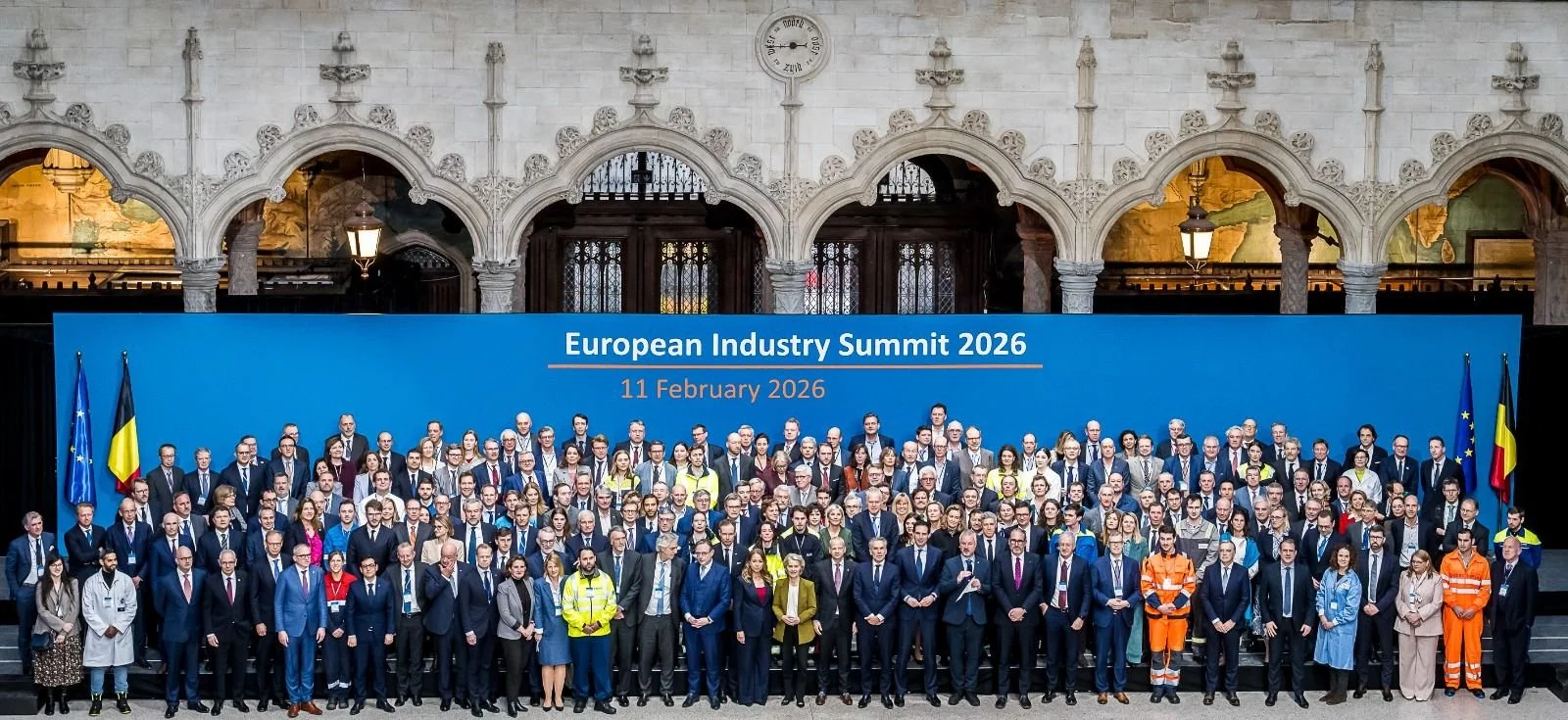
Following the European Industry Summit in Antwerp, AEGIS Europe reiterates that Europe’s resilience, security, and prosperity rest on the competitiveness of its industrial base.
In a period marked by geopolitical shocks, structural dependencies, overcapacities and intensifying global competition, Europe cannot safeguard its strategic autonomy without a strong European industry. At the Summit, more than 500 business leaders and representatives of the workforce met with senior European decision-makers, including European Commission President Ursula von der Leyen and several heads of state. As Belgian Prime Minister De Wever warned during the Summit, Europe is “on the brink of an existential crisis”, due to increased energy prices, dumping and regulatory pressure.
Two years after industrial leaders first signed the Antwerp Declaration, the outlook has deteriorated across most indicators, as indicated in a recent Deloitte report. In parallel, the Draghi Observatory report by EPIC indicates that as of January 2026 only 15.1% of the recommendations associated with the Draghi agenda have been fully implemented over the past two years. These findings underline a widening gap between Europe’s industrial ambitions and delivery on the ground, even as the pace of site closures and job losses accelerates in vital sectors. In this context, AEGIS Europe endorses the Antwerp Declaration Community’s call for urgent and bold action by EU leaders meeting in Alden-Biesen.
We urge the adoption of a package of emergency industrial policy measures centered on:
• Ensuring fair trade and a level playing field. Trade defence instruments (TDI) must be faster, stronger, and adapted to current market realities. This requires the immediate allocation of additional man-power to DG TRADE to ensure timely and effective use of the existing trade defence instruments action and the modernising the EU’s TDI toolbox. The Foreign Subsidies Regulation (FSR) should be beefed up and used more systematically by DG COMP and DG GROW to tackle distortions on the Single Market.
• Introducing European content in public procurement. Public procurement should prioritise products made in Europe in forthcoming initiatives, including the Industry Accelerator Act, to support industrial capacity and jobs across the Union in sectors already facing dependencies and in those at risk due to their strategic importance and evolving market conditions.
This should also apply to the use of public funds more generally. Furthermore, risk assessments should be carried out vis-à-vis foreign high-risk suppliers. These initiatives should improve transparency on the origin of products and rely on sectoral and consistent principles and criteria, ensuring that demand-side measures, funding and procurement rules jointly contribute to strengthening EU-based production.
This is a decisive moment. Europe must move from diagnosis to delivery – restoring industrial competitiveness, safeguarding high-quality jobs, and turning the Clean Industrial Deal into tangible outcomes in 2026.

AEGIS Europe Position on the Review of the Foreign Subsidies Regulation
AEGIS Europe welcomes the opportunity to submit its input to the European Commission as part of the Review of the Foreign Subsidies Regulation (FSR). In recent years, there has been an increasing influx of bidders from economic operators from third countries. If we consider that EU funds (e.g. European Structural and Investment Funds, Connecting Europe Facility) can be involved and de facto awarded to economic operators, distorting competition based on price, this is even more relevant as it can contribute to a decreased competitiveness of EU companies.
This situation, which has been documented notably by the OECD in its publications on measuring distortions in international markets (e.g. rolling stock value chain, aluminium, semi-conductors), can lead to a loss of market share and deindustrialisation of the EU, as well as having negative effects on competition in the Single Market. Coupled with increasing contractual requirements and award criteria focused mostly if not exclusively on price, European companies could be discouraged to submit bids due to low chances of winning, which would be detrimental to the quality of the solutions supplied to public authorities and create supply risks.
Against this background, the FSR is an autonomous EU trade instrument of outstanding importance for ensuring a level playing field in European procurement markets. Below, we present a series of recommendations to further strengthen the tool.
Identification of subsidies most likely to distort the internal market:
AEGIS Europe believes that a number of foreign subsidies should be considered to have a distortive effect on a per se basis, notably all subsidies to beneficiaries active in sectors: o Characterised by structural excess capacity. o Featuring high-tech and/or dual-use products to a significant extent; or, o Designated as strategic by the government providing the subsidies (e.g. in policies such as Made in China 2025).
Also to be considered distortive per se should be foreign subsidies to operators which have privileged and/or protected access to a significant non-EU market, especially if the non-EU market is the operator’s domestic market.
Additionally, we believe that it would be beneficial to integrate elements arising from previous investigations of the European Commission, such as explicitly considering the amount of the subsidies compared to the estimated valued of the public procurement as a relevant fact for assessing a potential distortion.
Balancing test:
AEGIS Europe insists that a balancing assessment must start from the presumption that there is a fundamental and strong EU interest in favour of removing the effects of distortive foreign subsidies, especially those endangering sustainable and diversified supply chains and the preservation of a strong industrial base in Europe.
In addition, because a balancing assessment must involve an adequately transparent and coherent analysis of both short-term and medium-term impacts of the distortions in question, the Commission should carry out full and timely consultation of relevant EU industries and give meaningful consideration of their input.
Beef up ex officio review:
Ex officio investigations should be launched towards economic operators that have already been subject to one or several in-depth investigations in other public procurement procedures that remained incomplete due their withdrawal of the bids in question. When an economic operator has been targeted by a public procurement investigation and that investigation is either not concluded or has resulted in determination that the company received distortive foreign financial contributions, there must be an automatic investigation if this company participates in other tenders – be it above OR below the threshold. Any award to an economic operator for which the Commission has already identified a strong presumption of distortive foreign subsidies poses a major risk to the credibility of the instrument. Therefore, this issue should be addressed in the 2026 review to remedy this flaw.
Finally, the Commission should also investigate, through ex officio review, how foreign subsidies may create distortions through the opening of factories by State-owned third-country companies in the EU or change of ownership of European companies to the benefit of State-owned third country economic operators.
Lower the public procurement threshold:
The threshold of EUR 250 million for public procurement is high and fails to capture many important projects, for example in the construction or rail supply industries. A revised threshold of EUR 150 million would be more appropriate to partly solve the current challenges faced by the instrument in conjunction with more ex officio investigations. Hence the power of the Commission to request the notification of foreign financial contributions in a public procurement procedure below the notification thresholds is key given the easy circumvention of the instrument by foreign economic operators. In any case the ex officio mechanism should be efficiently and more systematically utilised, especially if the threshold remains unchanged.
Strengthening enforcement towards Contracting Entities and Member States:
The FSR rightly aims at minimising disruptions and delays in public procurement procedures, which is in the interest of Contracting Entities and industry alike. In particular, the Commission cannot start an investigation related to a tender once the tender has been awarded to a bidder (Article 29 (8)).
However, the Commission should have the authority to overrule an award decision if two factors are met: (i) the contracting entity did not ensure the notification process whereas the project value was above the public procurement threshold; (ii) the economic operator to which the contract has been awarded has been subject of a previous in-depth investigation, whether complete or incomplete.
This will strengthen the knowledge of the instrument and the willingness of certain Contracting Entities to comply with the obligations. Furthermore, coordination with Member States should be strengthened in case patterns are noticed, and Member States should also support the European Commission in helping Contracting Entities with awareness-raising on their obligations as well as capacity-building measures.
Simplify the instrument and reduce the administrative burden:
The European Commission should consider it a priority to reduce the administrative burden and reporting obligations, as this would have a positive impact on all concerned parties (Contracting Entities, Industry and European Commission itself), while ensuring that a balance is found and that the objectives of the Regulation are fully met. For economic operators that have to submit information multiple times over the same year because they regularly participate in public tenders above the notification threshold, one notification per year should be sufficient, provided of course that they – or their parent company or their subsidiaries – do not receive any new foreign financial contribution in the meantime.
***
AEGIS Europe is an industry alliance that brings together more than 30 European manufacturing associations representative of the whole value chain, from commodities down to consumer end products. Our Members account for more than €500 billion in annual turnover, as well as for millions of jobs across the EU.
AEGIS Europe and Plastics Recyclers Europe call for swift and effective actions to secure the future of EU industry
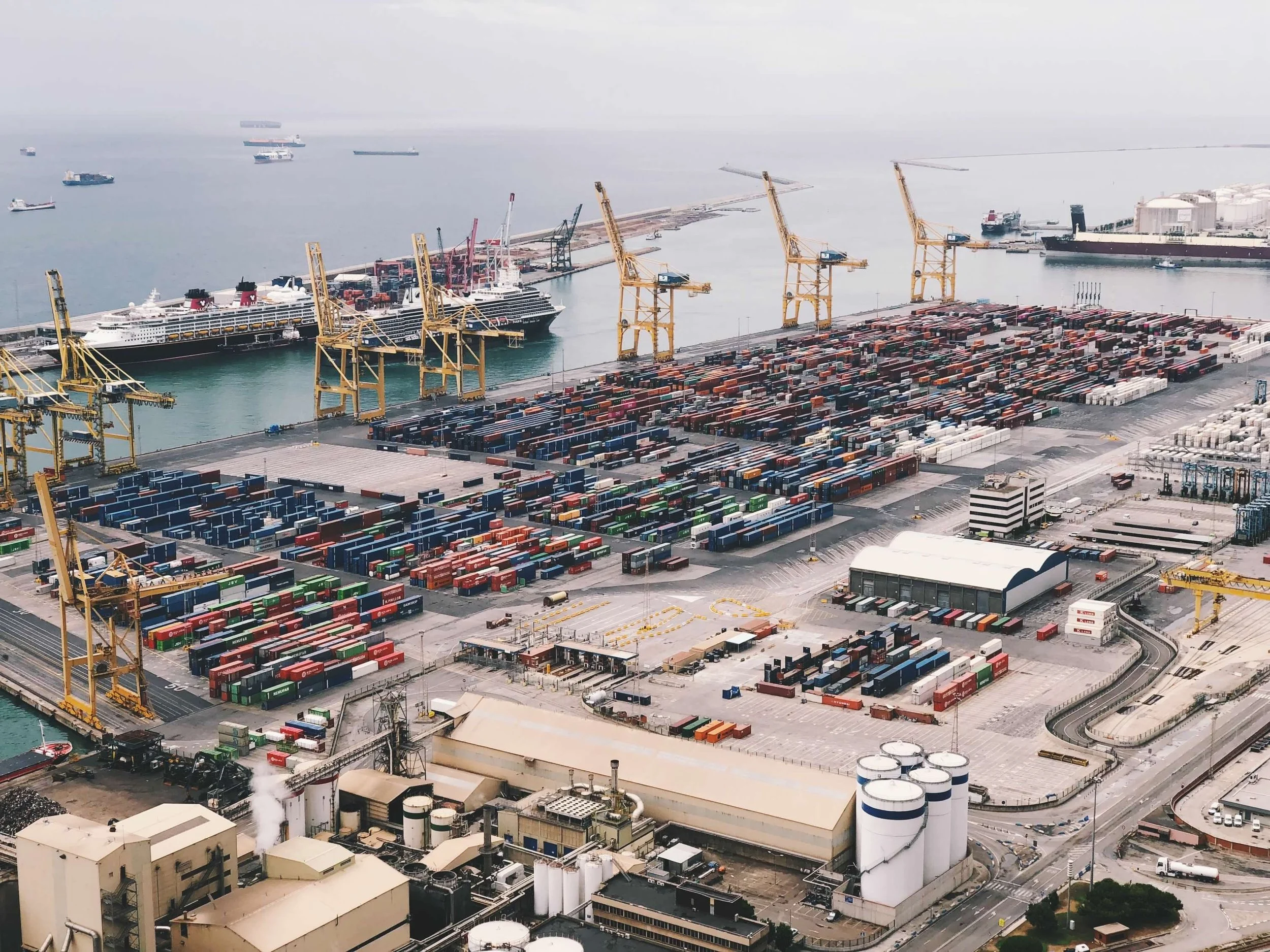
Brussels, 29 October 2025. As the European Union faces growing global competition, European producers already face several trade challenges, including high production costs (especially energy), global overcapacities, and aggressive third-country industrial policies.
Market performance indicators reveal a decline in competitiveness in the last ten years. This is evident in reduced production across sectors such as steel, silicon, ferroalloys, aluminium, and paper & board. Additionally, exports have dropped significantly in sectors like finished steel, man made fibres, and paper & board. Increased energy prices also play a role, but the real problem is the dumping of excess capacities on the open EU market and the need for new approaches to deal with industrial subsidies in addressing these overcapacities.
We are losing manufacturing jobs at an alarming rate. In AEGIS Europe sectors alone, approximately 34,000 direct jobs have been lost compared to the pre-COVID period. Considering that each direct job loss triggers 3-4 indirect job losses, this amounts to around 100,000 total jobs lost.
Since the 2008-2009 financial crisis, the situation has worsened, with 2.5 million industrial jobs disappearing and numerous plants across Europe shutting down. A wave of closures has been rolling out across the EU, mainly in the automotive sector and energy-intensive industries, but also in green tech sectors such as batteries. These closures are occurring throughout the EU.
Against this backdrop, and a year after the publication of the Draghi Report, AEGIS Europe, together with Plastics Recyclers Europe, calls on the EU to:
1. Strengthen and expedite the use of Trade Defence Instruments (TDIs) to timely protect EU industry from unfair foreign practices:
Injury Margin: WTO law does not provide for injury margins; thus, the EU has full discretion in determining the calculation method. The current methodology does not account for the volumes of imports or potential volumes. Therefore, factors such as the actual market share of imports and potential market share (due to overcapacities) can be legally used to increase the injury margin.
Dumping Margin: The normal value in the country of origin is compared to the export price to the EU, subject to a fair comparison. If the export price to the EU reflects a higher price due to social and environmental costs borne in the EU, an adjustment should be made to increase the margin by subtracting these costs from the export price. Both changes do not require an amendment to the basic Anti-Dumping Regulation.
Small and medium-sized enterprises (SMEs), often the most harmed by unfair trade, are effectively excluded from investigations due to the heavy data-gathering burden. While DG TRADE has set up an SME Helpdesk, it must be empowered to support enterprises in collecting data and completing injury questionnaires. Legally, injury evaluations for SMEs do not have to follow the same standards as those for large enterprises.
Address energy subsidies: Energy has a big share in the cost of production of key industries in the Union. While EU industries have been affected by an increase of energy costs, notably due to Russian’s invasion of Ukraine, third countries which have subsidised energy have been able to unfairly take market shares from EU industries. Consideration must be given to taking action, both in the WTO and in domestic Anti-Subsidy actions, to counter these massive subsidies which can be considered Specific in that they apply to fossil fuels only.
2. Upgrade the toolbox of EU industries by optimizing old instruments or designing new ones, such as an overcapacities instrument:
We call for an instrument that: i) must not be limited to the steel sector; ii) is available independent of the Safeguard instrument. Iii) can be triggered by the EU industry, to avoid political interferences. The instrument must allow the imposition of punitive tariffs, or any equivalent measure, at the border, on goods sourced in third countries which have given support directly or indirectly to the rise of economically irrational overcapacities.
3. The Foreign Subsidies Regulation represents an important trade autonomous tool to protect the European Industry’s competitiveness and ensure a level playing field on the Single Market. In recent years, there has been an increasing influx of subsidised bidders from State-owned economic operators from third countries: this unfair situation can lead to a loss of market share and deindustrialisation of the EU, as well as having negative effects on competition in the Single Market. Ahead of the publication of the EC guidelines in 2026, and the deadline for the regulation’s evaluation, we call for key improvements such as:
Thresholds: The threshold of EUR 250 million for public procurement is high and fails to capture many important projects, for example in the construction or rail supply industries.
Withdrawing bidders: It should not be permitted, in case of recurrent suspicions of unduly advantageous tenders, that bidders withdrawing from a procedure to avoid redressive measures can again bid in another procedure unless they have proven that they do not benefit from distortive subsidies.
Nature of bidders: The shareholders’ structure of bidders should be checked and go beyond a mere declaration, in order to avoid participation from State-owned enterprises in bids.
Reduction of the administrative burden for European companies which are equally concerned by the reporting obligations stemming from the Regulation.
AEGIS Europe urges the Commission to take action on global overcapacities and support the safeguard case on ferroalloys and silicon
Brussels, 14 October 2025 – AEGIS Europe welcomes the European Commission’s initiative to address the negative trade-related effects of global overcapacity in the steel sector, and warns that the challenge of overcapacities extends far beyond steel. This requires a solution for the steel value chain as well as for other sectors facing similar challenges.
Overcapacities have become a value-chain problem, affecting upstream and downstream industries alike – from raw materials to final goods. China alone can meet Europe’s entire industrial demand several times over in many manufacturing sectors, while other third countries are also expanding production, making overcapacity a truly global phenomenon. This systemic distortion, largely – but not exclusively - driven by state-supported production, is undermining Europe’s drive toward strategic autonomy, deterring investment, and accelerating deindustrialization.
Recent developments in the ferroalloys and silicon sector, in particular, illustrate the scale of the challenge. With existing spare capacity exceeding 21 million tonnes and planned capacity increases of more than 13 million tonnes worldwide, global overcapacity for manganese and silicon-based alloying elements has reached unprecedented levels. These volumes cannot be absorbed by the market, especially amid declining European consumption and shrinking export opportunities as third countries adopt their own trade defence measures.
This crisis has brought Europe’s ferroalloys and silicon industry to the brink of collapse. As noted by Euroalliages – the European federation representing that industry, and active member of AEGIS Europe, the last silicon-metal producer in the EU recently closed. Silicon and ferro-alloys materials are indispensable for the production of steel, aluminium, batteries, and advanced defence applications – from cars and energy storage to drones and strategic infrastructure. Without them, Europe’s industrial resilience and economic security are at risk.
AEGIS Europe therefore expresses its strong support to the imposition of measures in the framework of the safeguard case on manganese and silicon-based alloying elements. The adoption of effective safeguard measures is essential not only to preserve the future of the ferro alloys and silicon industry, but also to prevent further deindustrialization across interconnected value chains.
AEGIS Europe believes this case is an example of the urgent need to adopt a comprehensive approach to overcapacities, extending to all affected sectors. This includes:
Establishing a regular EU monitoring system of overcapacities risks by country and sector, building on the model of import surveillance;
Creating an EU instrument to counter overcapacities based on the rationale behind the new steel measures. This instrument should be applicable across all sectors, independent of the safeguard mechanism, and triggered by industry;
Enabling effective border measures, including punitive tariffs or equivalent actions, against imports originating from countries that directly or indirectly subsidize overcapacity.
As Commission President Ursula von der Leyen stated, “Global overcapacity is damaging our industry. We need to act now.” AEGIS Europe fully supports this call and urges the Commission to translate this recognition into a robust and forward-looking policy response.
AEGIS Europe statement on U.S. reciprocal tariffs
Brussels, April 7, 2025. The European Union and the United States maintain the most integrated economic partnership in the world. When considering trade in goods, services, and investment, the transatlantic relationship is unmatched in scale and depth, supporting millions of jobs on both sides of the Atlantic.
On February 13, the White House published a statement announcing the introduction of "reciprocal tariffs" targeting several U.S. trade partners, including the EU. This was swiftly followed by the imposition of duties on European steel and aluminium in March, alongside a sweeping 20 percent tariff on all EU imports, and a further 25 percent global tariff on cars, which entered into force between April 2 and 3. The U.S. administration has indicated it will respond with additional retaliatory measures in case of a European counteraction.
AEGIS Europe is deeply concerned by these developments. We strongly support free and rules-based trade conducted on fair terms. A spiral of retaliatory measures risks triggering a trade war that would have severe consequences for the global economy. Furthermore, U.S. tariffs on a wide range of partners—including China, Canada, Mexico, Japan, and Korea—risk generating trade diversion towards the EU. This is particularly concerning for export-oriented sectors like pulp and paper or ceramics, as well as for industries already facing global overcapacities, such as steel and aluminium, where redirected exports could lead to a surge in imports and drive prices down.
Ultimately, a self destructive trade dispute between the EU and the U.S. would primarily benefit illegally dumped imports and state-subsidized companies from China and other countries contributing to non market overcapacities, when both sides should instead cooperate to rebalance the global market and tackle the root causes of distortions. An escalating trade war between the EU and the U.S. could also affect other sectors like fertilizers and crops, which have already been severely disrupted—first by the pandemic, then by Russia’s war on Ukraine. These two major crises have revealed the vulnerability of the global food system, which cannot sustain higher global food prices. It is therefore essential to avoid placing this system under additional strain through new trade barriers.
In light of these risks, AEGIS Europe encourages the European Commission to act cautiously, maintaining close dialogue with the business community to safeguard European competitiveness and minimize harm to the EU industrial value chains. At the same time, we urge continued engagement in negotiations with the U.S. to de-escalate tensions and maintain the stability of transatlantic supply chains.
However, should negotiations fail and escalation further develop, AEGIS Europe calls on the EU to:
Respond swiftly, firmly, and proportionately with targeted restrictions on U.S. imports: the aim should be to preserve leverage, deter further escalation, and keep pathways to a negotiated solution open.
Conduct sector-specific vulnerability assessments: exclude from retaliation lists those products that are essential to EU industries and at risk of supply shortages. The 2018 retaliation list should be reviewed following broad consultations with industry sector representatives, as sectoral trade dynamics have evolved.
Distribute the burden of retaliatory measures: not only goods but also services—given the substantial U.S. surplus in this area—should be included in the scope of European countermeasures.
Proactively deploy Trade Defense Instruments (TDIs): monitor trade flows from third countries and be ready to expeditiously activate TDIs to prevent market disruption and protect the EU’s industrial base.
Tariffs would raise costs in the United States and distort trade flows globally. At a time when economic stability is most needed, such measures risk undermining the efficiency and integration of global markets. Maintaining open strategic autonomy as a key objective, while upholding WTO principles, is essential for the European Union to ensure economic resilience and avoid excessive dependence on external actors. A coordinated, measured, and forward-looking response is therefore required to safeguard Europe’s economic interests and support a stable and predictable international trading system.
***
AEGIS Europe is an industry alliance that brings together more than 25 European manufacturing associations representative of the whole value chain, from commodities down to consumer end products. Our Members account for more than €500 billion in annual turnover, as well as for millions of jobs across the EU.